The Advantages of Artificial Grass Installation: An Easy-Care Solution for Your Outdoor Space
Artificial lawn installation provides a variety of perks that resonate with homeowners looking for a low-maintenance landscaping option. It removes the need for regular chores like mowing and watering, offering a practical alternative to traditional landscaping. Furthermore, its eco-friendly attributes contribute to water conservation and reduced chemical usage. As homeowners consider this option, concerns regarding safety and lasting cost savings tend to emerge, encouraging a deeper look at its full effect on outdoor areas.
The Time-Saving Edge of Artificial Grass
When homeowners consider the benefits of artificial grass, one of the most compelling advantages is the remarkable time savings it delivers. Traditional lawns require consistent care, including watering, mowing, and fertilizing, which can consume countless hours each month. On the other hand, artificial grass does away with these chores, giving homeowners the freedom to reclaim their time.
Without the need for mowing, homeowners get to enjoy a constantly pristine appearance without the hard work involved. In addition, the lack of watering needs means that hectic routines will not be interrupted by the necessity of keeping the lawn hydrated.
Moreover, artificial turf is often built to combat weeds, limiting the time dedicated to weeding and upkeep. This minimal-upkeep solution attracts people and families seeking to enhance their outdoor spaces without the extensive effort. In the end, the time-saving advantage of artificial grass greatly supports its expanding adoption amongst homeowners looking for convenience.
Environmental Advantages of Artificial Grass
Although many homeowners prioritize visual appeal, the environmental advantages of artificial grass make it an increasingly attractive option. One major benefit lies in water conservation; artificial grass eliminates the need for regular watering, which can save thousands of gallons annually. This decline in water use is particularly vital in areas experiencing drought conditions.
In addition, artificial grass lowers the reliance on harmful chemicals and pesticides, supporting a greener ecosystem. Compared to natural grass, it does not require mowing, therefore cutting greenhouse gas emissions linked to gas-fueled lawn care equipment.
Furthermore, the use of synthetic turf can help with limited soil erosion, as it provides a durable surface that endures high volumes of foot traffic and adverse weather conditions. Ultimately, the green qualities of synthetic turf not only benefit home owners but also advance broader environmental sustainability efforts.
Is Artificial Grass Safe for My Pets?
How safe is artificial grass for pets? Artificial turf is commonly recognized as a pet-friendly solution for homeowners. It is crafted from non-toxic components, keeping pets protected from the harmful chemicals commonly present in traditional grass treatments. As opposed to natural grass, artificial turf does not provide a breeding ground for pests such as fleas or ticks, creating a healthier environment for pets to roam and play.
In addition, synthetic turf provides easy drainage, reducing the risk of soiled paws and the presence of unwanted smells. Its long-lasting quality enables it to withstand rough play and digging, making it a practical choice for energetic pets. Furthermore, various top-quality artificial grass solutions feature UV shielding, eliminating color loss and delivering a safe surface for pets to enjoy year-round.
That said, pet owners must consistently clean the area to ensure cleanliness and prevent the buildup of bacteria. All things considered, artificial grass provides a reliable and safe solution for pet owners seeking options that are easy to maintain.
Long-Term Financial Savings With Artificial Turf
Artificial turf not only boosts the safety and comfort of pets but also delivers substantial long-term savings for homeowners. By eliminating the need for regular watering, mowing, and fertilization, artificial grass drastically reduces ongoing maintenance costs. Homeowners can expect to save on water bills, especially in areas facing drought restrictions, as synthetic lawns require minimal irrigation. Moreover, the durability of artificial grass means it withstands heavy foot traffic and extreme weather conditions without the need for frequent replacement. This durability leads to lower costs over time in contrast to natural grass, which can require re-sodding or considerable repairs. Beyond that, the diminished maintenance demands allow homeowners to focus their time on other priorities, further enhancing cost-effectiveness. In summary, the upfront investment in synthetic turf can generate significant savings, making it a smart financial decision for those seeking to improve their outdoor areas while reducing long-term expenses.
Improving Your Outdoor Area With Artificial Grass
Enhancing an outdoor area is made simple when homeowners select artificial grass, as it delivers a vibrant, verdant setting year-round without the stress of traditional lawn care. This adaptable choice elevates the overall appearance, creating welcoming spaces for leisure, recreation, or hosting guests. The rich tones and natural-looking textures available can pair beautifully with diverse architectural styles, from sleek to timeless, effortlessly integrating with existing garden features.
Additionally, artificial grass can be adjusted to unique requirements, making it well-suited for numerous applications such as poolside areas, patios, or playgrounds. Its durability under heavy foot traffic assures that outdoor environments remain immaculate and accessible no matter the season. Additionally, artificial grass contributes to environmental sustainability by cutting down on water usage and doing away with harmful pesticides. Ultimately, this advanced solution not only elevates the visual appeal of any exterior setting but also promotes a functional and enjoyable environment for residents and their guests.
The Ease of Low Maintenance With Artificial Grass
Since many homeowners want a beautiful lawn without the time-consuming care, selecting artificial turf presents an excellent option. This explore this topic innovative landscaping choice requires minimal maintenance compared to traditional grass. Property owners no longer have to dedicate hours to mowing, watering, or treating their yards. Rather, a quick wash with water is generally enough to maintain a clean and vibrant appearance.
Artificial grass is resistant to pests and lawn diseases, removing the necessity for chemical treatments that pose risks to the environment. Additionally, it holds up well across various weather conditions, maintaining its visual appeal year-round without discoloration or deterioration. The absence of mud and grass clippings also means reduced dirt and debris being carried inside.
Thanks to artificial grass, property owners can experience a consistently lush and inviting landscape free from the continuous work and time investment that comes with natural grass. This easy-care solution creates increased relaxation and reduced stress over lawn care.
What to Anticipate During Artificial Grass Installation
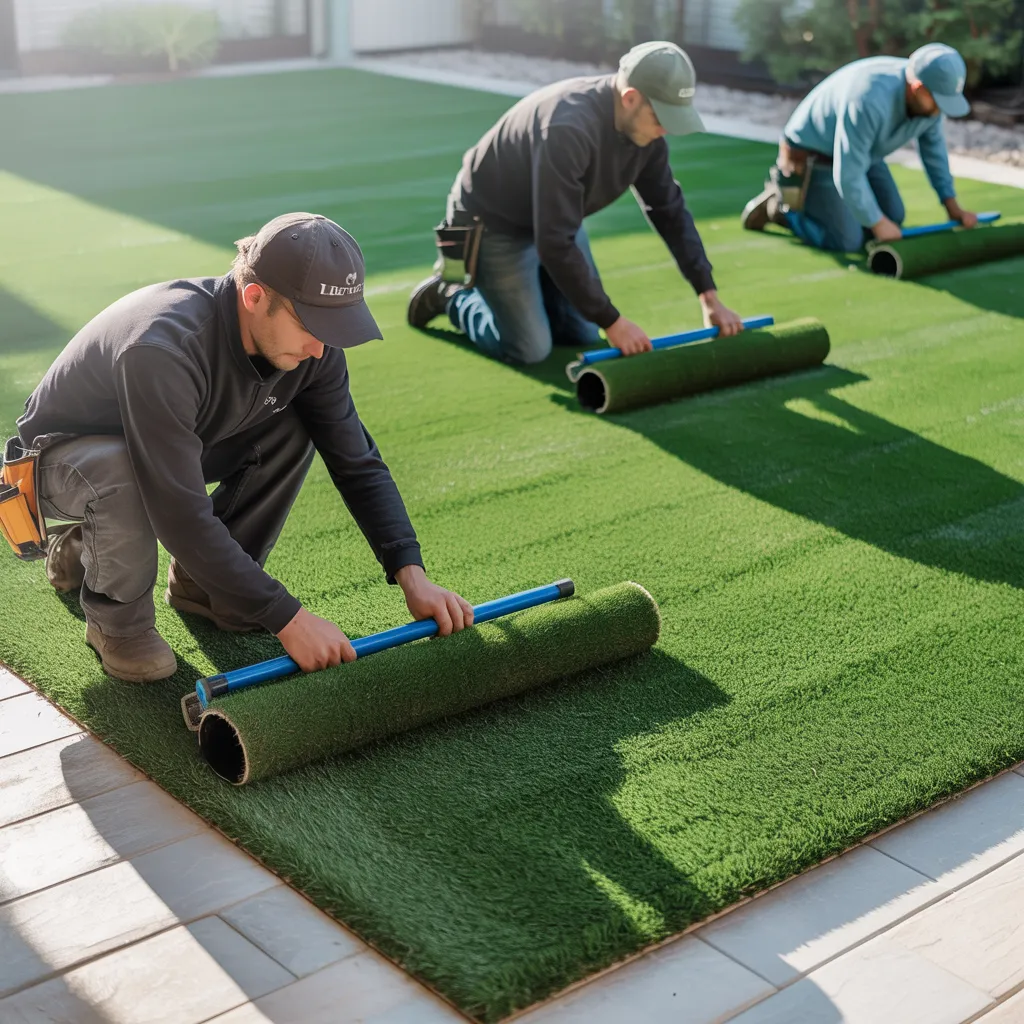
Homeowners selecting artificial grass can anticipate a seamless installation process that enhances their outdoor space. Generally, the process starts with an assessment of the area to determine the correct type and amount of grass needed. Professional installers will clear the existing lawn, eliminating debris and plant matter to create a clean base.
After that, they will flatten the area and apply a layer of gravel for water drainage, ensuring peak performance. A weed prevention layer may be applied to prevent future growth. Once the groundwork is complete, the artificial turf is laid out, shaped to fit the designated space, and fixed firmly in place.
Lastly, infill materials, such as sand or rubber are applied to keep the grass blades upright while offering cushioning. The whole process usually takes only a day or two, giving homeowners the ability to promptly enjoy their new, low-maintenance lawn.
Questions We Often Receive
How Long Does Artificial Grass Last Before Needing Replacement?
Artificial turf commonly lasts anywhere from 15 to 25 years, depending on factors like maintenance, quality, and frequency of use. When properly maintained, it can retain its aesthetic and function across its entire lifespan, reducing the necessity for replacement.
Can Artificial Grass Be Installed Over Existing Grass?
Indeed, artificial grass is able to be placed over existing grass, although thorough preparation is necessary. This encompasses securing an even surface, clearing away debris, and resolving drainage concerns to prevent future complications and ensure lasting durability.
What Types of Artificial Grass Are Available?
Various types of artificial grass are available, including polypropylene, nylon, and polyethylene. Every variety varies in terms of durability, texture, and intended use, catering to residential, commercial, and sports environments, allowing for tailored solutions based on specific needs.
Is Artificial Turf Resistant to Sun-Induced Fading?
Synthetic turf has been engineered to be resistant to sun-induced fading, incorporating UV stabilizers that help maintain its vibrant color over time. This resilience provides a uniform appearance, making artificial grass an attractive choice for outdoor areas.
How Well Does Artificial Grass Hold Up Against Extreme Weather Conditions?
Artificial turf performs exceptionally well in extreme weather conditions, preserving its structure and appearance. It is built to withstand heat, heavy rain, and freezing temperatures, guaranteeing durability and a consistent appearance regardless of environmental challenges.